
ServicesReverse Mortgages
Reverse Mortgages in Peachtree Corners
A reverse mortgage lets borrowers 62 and older draw on the equity they have built while staying in the place they live, with no required monthly mortgage payment. One loan officer walks you through the terms, the counseling and the closing, and answers every question in plain language.
What a reverse mortgage does, and when it fits
Most reverse mortgages are Home Equity Conversion Mortgages, or HECMs, a program backed by the FHA. You keep the title. Instead of paying the lender each month, the loan balance grows over time and is repaid when the last borrower sells, moves out for good or passes away. If the balance ends up higher than the property is worth, the FHA program absorbs the difference, not you or your heirs.
It tends to fit retirees who have meaningful equity, plan to stay put for years and want steadier cash flow, a cushion for health costs or a way to retire an existing mortgage payment. It fits less well if you expect to move soon or would struggle to keep up with property taxes and hazard coverage.
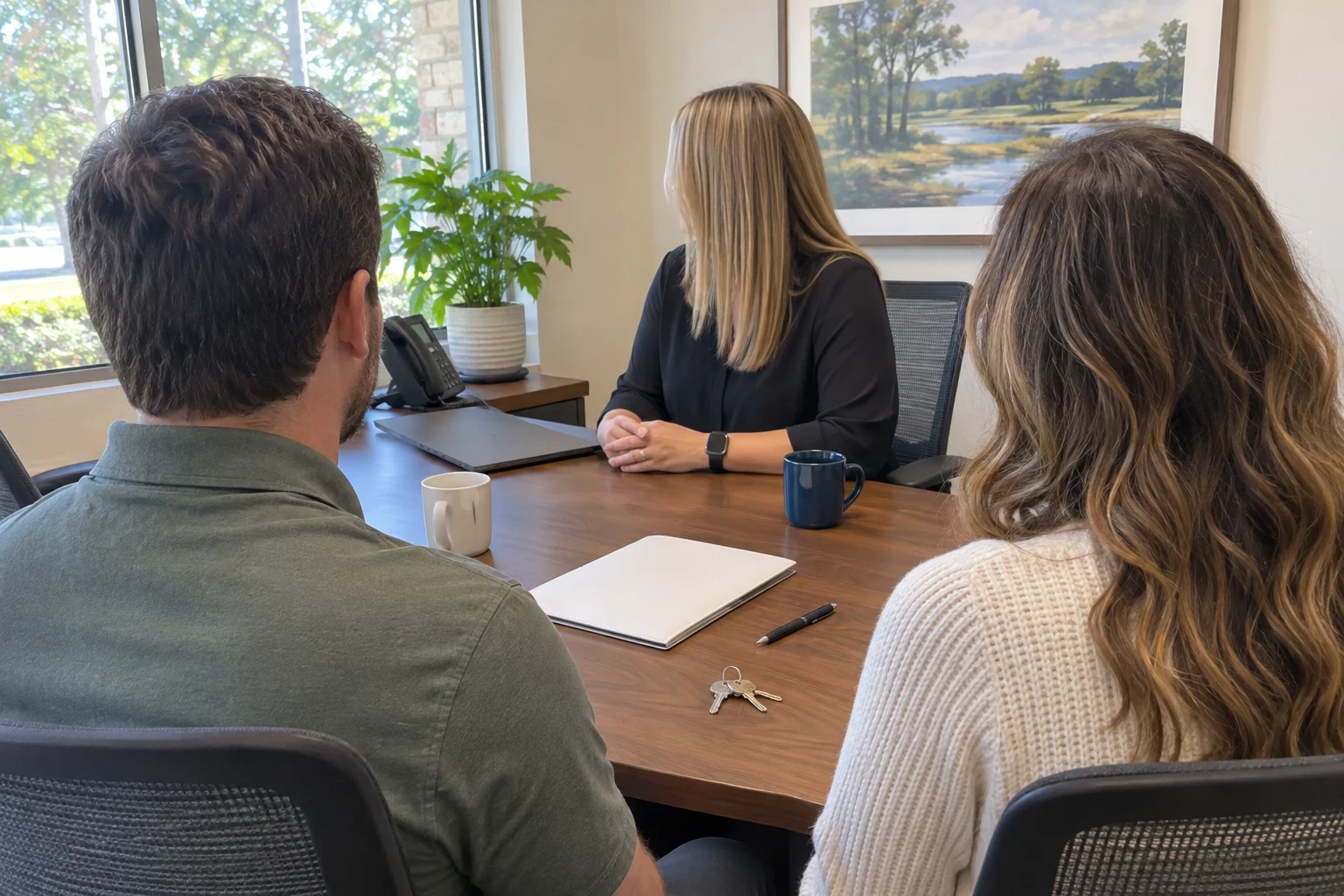
These are long decisions, and family members often want a say. That is why one loan officer stays with you the whole way, from the first call to the signing table, so nobody has to repeat their story to a new person.
What our reverse mortgage service covers
- An honest fit conversation
- We start by asking how long you plan to stay, what you need the money for and who lives with you. Sometimes a home equity loan, a HELOC or a standard mortgage refinance serves you better, and we will say so.
- Payout options laid side by side
- A HECM can pay a lump sum, fixed monthly payments for life or a set term, a line of credit, or a mix. We show how each choice affects your balance and what remains available later. The unused portion of a HECM line of credit grows over time, which matters to many borrowers.
- Help scheduling HUD counseling
- Federal rules require a session with an independent HUD-approved counselor before you apply. We explain what the counselor will cover and help you find one. You can bring an adult child or trusted advisor to that session and to ours.
- Financial assessment preparation
- Lenders review income, credit and your history of paying property taxes and insurance. We tell you up front which documents to gather so there are no late surprises.
- Spouse and heir planning
- If one spouse is under 62, we explain the protections for a non-borrowing spouse and how they are documented. We also walk through what heirs can do when the loan comes due.
- Coordination through closing
- Your loan officer schedules the appraisal, follows up with title and keeps you posted on each step. One phone number, one person.
Signs a reverse mortgage may be worth a look
A mortgage payment strains a fixed income
A HECM can pay off an existing mortgage, which removes that monthly payment. You still pay taxes, insurance and any association dues.
Most of your wealth is in the property
Many retirees are house-rich and cash-short. A reverse mortgage turns part of that equity into usable funds without selling.
You want a standby credit line
Opening a line early and leaving it untouched lets the available amount grow, giving you a reserve for later years.
You are downsizing or moving closer to family
A HECM for Purchase lets you buy a new primary residence, perhaps in Duluth or Johns Creek, with a large down payment and no monthly mortgage payment afterward.
You plan to stay for the long haul
Upfront costs are spread over the years you live there, so the longer you stay, the more sense the loan usually makes.
What shapes the cost and the amount available
Reverse mortgages carry real costs, and we put every one in writing before you commit. Two numbers matter: what you pay to set the loan up, and how much you can draw. Both depend on the details below.
Age of the youngest borrower
Older borrowers can access a larger share of their equity. When one spouse is younger, the available amount is based on that age.
Appraised value and FHA limits
The amount is calculated on the appraised value up to the FHA lending limit for the year. Higher-value properties may call for a different loan product, which we can discuss.
Interest rate
Lower expected rates generally mean more money available. Fixed-rate loans usually require a single lump-sum draw, while adjustable rates allow monthly payments or a credit line.
Mortgage insurance and closing costs
HECMs include an upfront and an annual FHA mortgage insurance premium, plus origination, appraisal, title and recording fees. Most can be financed into the loan rather than paid out of pocket.
Existing liens
Any current mortgage must be paid off at closing, which reduces what is left for you to draw.
How the process runs
- 1
Free consultation
We meet at our office or by phone or video. You get rough estimates of what you may qualify for and an honest read on whether this loan suits you.
- 2
HUD counseling
You complete the required session with an independent counselor and receive a certificate. We help you schedule it and answer questions afterward.
- 3
Application and appraisal
We gather your documents, order the FHA appraisal and handle the financial assessment. Your loan officer tells you what was found and what, if anything, is needed next.
- 4
Closing and funding
You sign at closing, then a three-day right of rescission applies before funds are released. We stay your contact after that for questions about statements or draws.
Reverse mortgage questions we hear often
Will the bank own the property?
No. You keep the title and can sell whenever you choose. The lender holds a lien, just as with a traditional mortgage. The loan is repaid when the property is sold or the last borrower leaves permanently.
What happens for my children after I pass away?
Your heirs can sell the property, keep any equity left after the loan is repaid, or pay off the loan and keep it. If the balance exceeds the value, they can satisfy the loan with 95 percent of the appraised value. They never owe more than that.
Can I lose the property with a reverse mortgage?
The loan can be called due if property taxes, insurance or association dues go unpaid, or if the property is no longer your primary residence. That is why the financial assessment matters. We explain those obligations clearly before you apply so they never come as a surprise.
Does a reverse mortgage affect Social Security or Medicare?
Loan proceeds are generally not considered income, so Social Security and Medicare are typically unaffected. Needs-based programs such as Medicaid can be different. We suggest checking with a benefits advisor, and we are glad to join that conversation.
Can my family be part of the conversation?
Yes, and we encourage it. Adult children or a financial planner are welcome at the consultation, by phone, video or in our office, and the same loan officer will be there each time.
Talk it through before you decide
A first conversation costs nothing and commits you to nothing. You will speak with the loan officer who would handle your file, and you can bring anyone you like.